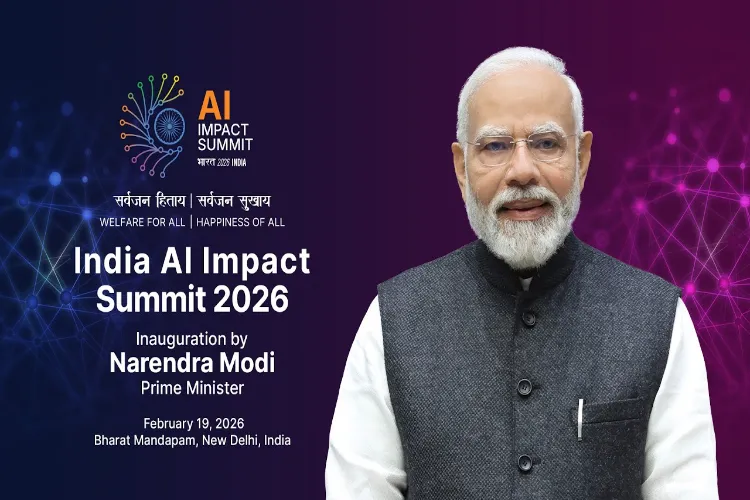
India AI Impact Summit 2026 may be positioned as a media and technology event, but its implications for travel, tourism, and destination branding are significant.
At the Ministry of Information and Broadcasting (MIB) Pavilion, discussions and showcases will explore how Artificial Intelligence is reshaping storytelling, multilingual communication, immersive experiences, and content monetisation — all of which directly impact how destinations are marketed and experienced globally.
AI-Powered Storytelling & Destination Branding
One of the major highlights will be AI-driven micro-drama storytelling and the Kathāvatār AI-generated short film initiative in partnership with Adobe. Such tools can redefine how states and tourism boards narrate cultural stories, heritage circuits, and experiential travel products in multiple languages at scale.
Filmmaker Shekhar Kapur’s masterclass on AI-powered storytelling is expected to examine how technology can enhance cinematic authenticity — a critical element in promoting India’s diverse cultural destinations to global audiences.
Multilingual Reach & Inclusive Tourism
Innovations like Bhasha-Wall (multilingual dubbing and AI sign-language avatars) and voice technologies showcased by startups and tech leaders such as AWS, Google (with Evergent), Sony Research India and others highlight how AI can bridge language barriers — a long-standing challenge in inbound tourism.
For tourism boards, this means:
Real-time multilingual destination promotion
Accessible content for differently-abled travellers
Wider global outreach without heavy production costs
Immersive Experiences & AVGC-XR Innovation
At the India AI Impact Expo 2026, 51 startups from India’s AVGC-XR and Media Tech sector will demonstrate immersive storytelling, gaming environments, virtual production, and next-gen interactive platforms.
Concepts like:
Zero-Touch Autonomous Newsroom
AI Podcast Studios
Conversational humanoid robots
Interactive storytelling zones
…signal how future visitor centres, museums, theme parks, and experiential tourism hubs may evolve.
Cultural Preservation Through AI
Initiatives like Bhashasetu and Kalaasetu showcase how AI tools can preserve linguistic and cultural heritage — a key pillar of India’s tourism narrative. For heritage tourism, spiritual circuits, and rural experiences, such technology can help digitise folklore, oral traditions, and local storytelling for global audiences.
The Tourism Takeaway
As global destinations compete not just on infrastructure but on storytelling power, India’s push toward AI-enabled creative services could significantly enhance destination marketing, visitor engagement, and experiential tourism offerings.
For the travel trade, the message is clear:
AI is no longer just a media innovation — it is fast becoming a strategic tourism tool.