
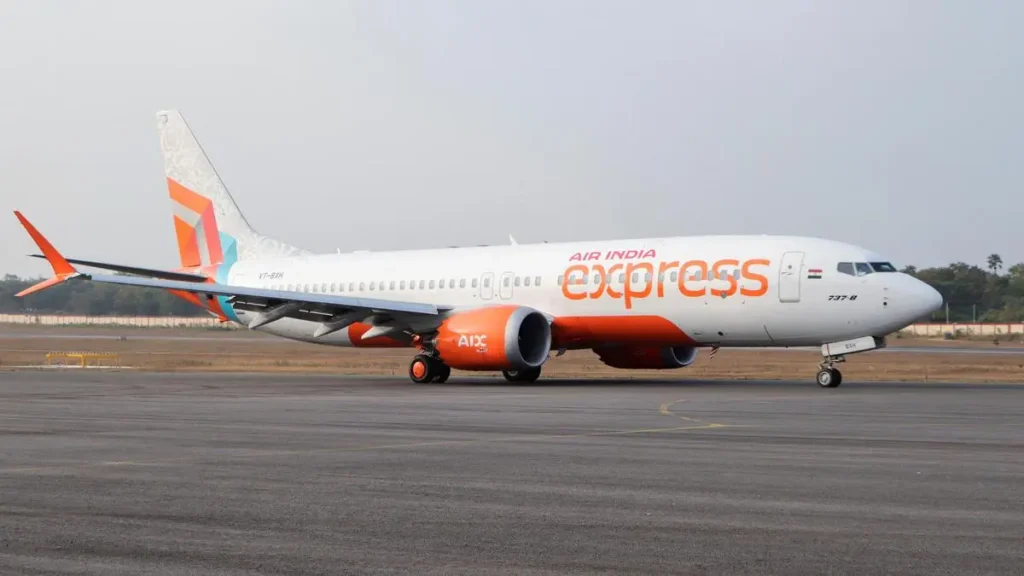
Air India Express is set to discontinue its flight operations from Hindon Airport by the end of the current winter schedule, marking a brief stint at the regional aviation hub.
The airline, which currently connects Hindon with Mumbai and Bengaluru, has stopped accepting bookings beyond March 27, 2026, indicating a complete withdrawal from the airport. The move comes less than a year after the launch of services, underscoring the evolving dynamics of route planning and operational viability in India’s fast-changing aviation landscape.
Industry observers view the development as part of a broader network consolidation strategy, as airlines increasingly prioritise routes and airports that offer stronger infrastructure support and long-term scalability. Hindon, while strategically located in the National Capital Region (NCR), faces limitations in terms of infrastructure and expansion capabilities, which can restrict operational flexibility for carriers.
Aircraft availability constraints and ongoing network optimisation are also believed to have influenced the decision, as airlines recalibrate capacity deployment to maximise efficiency and returns. Despite witnessing reasonable demand on select routes, sustaining operations at secondary airports often presents structural challenges.
Another significant factor shaping airline strategies in the region is the upcoming Noida International Airport, which is expected to redefine air traffic distribution across NCR. With its larger scale and modern infrastructure, the new airport is likely to attract increased airline interest and capacity in the near future.
The exit of Air India Express from Hindon highlights a larger industry trend—where operational efficiency, infrastructure readiness, and long-term growth potential are becoming decisive factors in network planning. For regional airports, the development serves as a reminder of the need for sustained ecosystem support to retain and grow airline partnerships.