
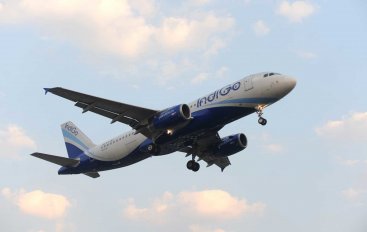
The ongoing Middle East conflict involving Iran is beginning to impact the global aviation sector, with airlines across several regions facing rising operational costs due to increasing jet fuel prices.
Industry analysts say the uncertainty surrounding the Strait of Hormuz — one of the world’s most critical oil shipping routes — has triggered concerns in global energy markets, resulting in higher crude oil and aviation fuel prices. Airlines are now reviewing flight operations, route planning, and fuel management strategies as costs continue to rise.
Several international carriers are reportedly considering fare adjustments and operational changes to offset mounting expenses. Longer alternative flight routes to avoid conflict-sensitive airspace are also increasing fuel consumption for many airlines operating between Europe, Asia, and the Middle East.
Travel experts warn that if tensions continue, passengers may soon witness higher airfares, particularly on long-haul international sectors. The crisis is also creating uncertainty for summer travel demand as airlines attempt to manage operational stability while controlling rising costs.
The situation is being closely monitored by the global tourism and aviation industry, especially as international travel demand remains strong despite geopolitical tensions.