
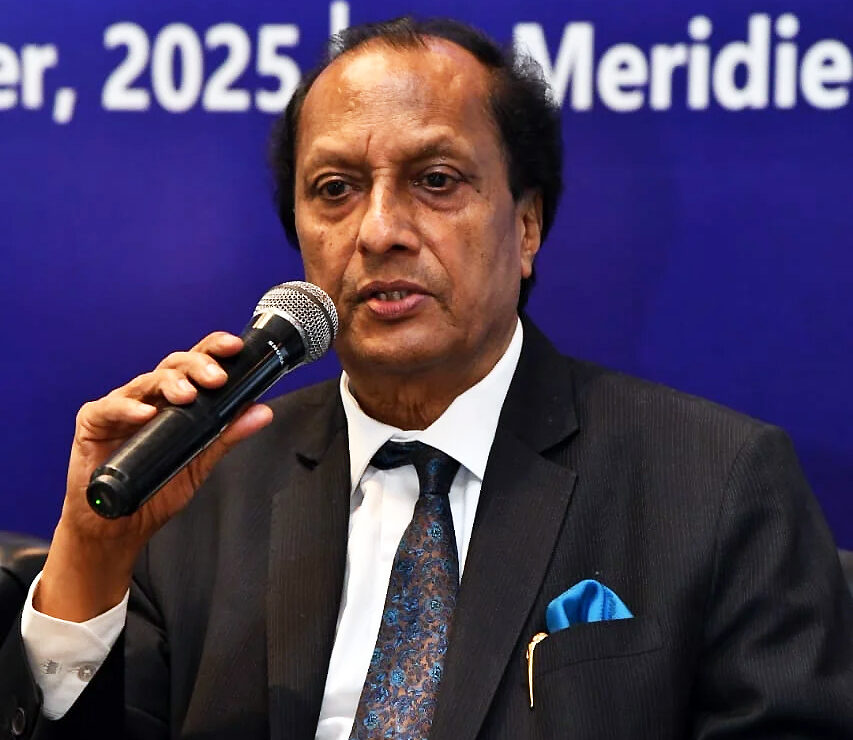
India’s hospitality sector will continue to be overwhelmingly driven by domestic tourism demand, a trend that is structural in nature and not merely cyclical, according to the Federation of Hotel & Restaurant Associations of India (FHRAI).
Citing Ministry of Tourism data, FHRAI President Mr. Surendra Kumar Jaiswal said that domestic tourist visits account for nearly 85–90 per cent of total tourism volumes, making domestic travellers the most resilient and dependable demand base for the sector. Rising disposable incomes, enhanced highway infrastructure, improved regional air connectivity, and a growing inclination towards short-duration travel have significantly widened the domestic travel footprint.
He noted that demand from leisure travel, religious tourism, destination weddings, and business travel is now sustaining hotel occupancies across most months of the year, reducing the industry’s dependence on traditional peak seasons. This trend is especially visible in Tier-II and Tier-III cities, where infrastructure upgrades are translating into steady hotel performance. While inbound tourism is recovering gradually, domestic demand will continue to provide scale and stability, cushioning the sector from global economic and geopolitical uncertainties.
On inbound tourism, FHRAI expressed confidence that foreign tourist arrivals (FTAs) will not only reach but move beyond pre-Covid levels. Globally, international tourist arrivals touched 1.3 billion in 2023, registering a 33.3 per cent growth over 2022, while tourism receipts rose by nearly 34 per cent to USD 1.5 trillion, reflecting a strong global recovery.
India has strengthened its global position, accounting for 1.45 per cent of international tourist arrivals and 2.1 per cent of global tourism receipts. International Tourist Arrivals (ITAs) reached 18.89 million, surpassing the pre-pandemic peak of 2019. Although FTAs stood at 9.52 million in 2023, around 87 per cent of 2019 levels, the year-on-year growth of nearly 48 per cent indicates strong momentum. Robust NRI arrivals and diversified source markets from South Asia, North America, and Western Europe further support the outlook.
However, FHRAI reiterated concerns over the lack of infrastructure status for the hospitality sector, stating that it continues to hamper expansion, especially for mid-scale and regional developers. Hospitality projects, with long gestation periods of 7–10 years, are still financed under real estate norms, leading to higher borrowing costs and restricted access to long-term capital. This has slowed hotel development in emerging destinations and pilgrimage circuits despite strong demand.
Looking ahead to 2026, hospitality players are planning measured and strategic expansion, driven by domestic demand and a visible revival in global travel. Expansion is increasingly centred on asset-light models such as management contracts and franchising, along with a growing focus on mid-scale hotels, experiential stays, wellness tourism, and MICE destinations. Sustainability, technology adoption, and workforce skilling are also becoming integral to future growth plans.
FHRAI emphasised that with supportive policy measures and improved access to finance, India’s hospitality sector is well positioned for steady and geographically diversified growth in the coming years.