G. S. Jamwal has called for urgent preservation and global showcasing of Dogra heritage, linking it directly with India’s untapped potential in military and heritage tourism.
Speaking in the context of a recently published book on Zorawar Singh, Jamwal underscored that India’s military history is not only authentic but globally comparable in scale and significance. Recalling his earlier lecture at the Defence Services Staff College, he noted that Zorawar Singh’s campaigns have often been underestimated internationally, despite their strategic brilliance—drawing comparisons even with figures like Napoleon Bonaparte.
However, he cautioned that while the narratives exist, India has yet to translate them into compelling tourism assets.
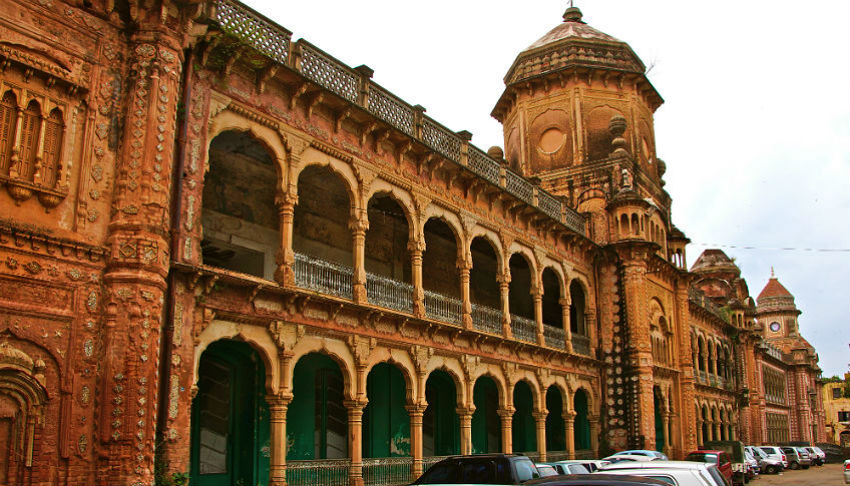
Highlighting Jammu as a key example, Jamwal pointed to the historic Mubarak Mandi Palace—once the royal seat of the Dogra rulers—as a significant but underutilised heritage asset. He stressed that despite its architectural grandeur and historical importance, the complex has suffered years of neglect and deterioration.
Mubarak Mandi, a sprawling palace complex overlooking the Tawi River, represents a rare blend of Mughal, Rajasthani and European architectural styles and stands as a symbol of the Dogra dynasty’s legacy. Yet, large sections remain in disrepair, even as restoration and adaptive reuse discussions—including proposals to convert parts of it into a heritage hotel—have surfaced intermittently.
Jamwal emphasised that such landmarks must be preserved and developed holistically, rather than through fragmented or delayed efforts. He also pointed to Jammu’s traditional markets and cultural zones as part of a larger heritage ecosystem that can be curated into immersive tourism experiences.
Drawing global parallels, he noted that well-curated military and heritage institutions such as the Imperial War Museum and National WWII Museum attract substantial international footfall, demonstrating how history, when presented effectively, can become a major tourism driver.
His remarks underline a larger concern—while India possesses a rich and credible historical legacy, the absence of integrated storytelling, preservation, and infrastructure risks losing both heritage and economic opportunity.
The message is clear: by aligning preservation with vision, regions like Jammu can transform iconic sites such as Mubarak Mandi into globally relevant tourism landmarks, turning history into a powerful engine for growth.