Sariska Tiger Reserve in Rajasthan’s Alwar district is witnessing a significant surge in tourist footfall during the year-end holiday season, emerging as one of North India’s most sought-after wildlife destinations. With Christmas and New Year holidays driving travel demand, the reserve is recording one of its busiest periods of the year, reflecting the growing popularity of wildlife and nature-based tourism in India.
Hotels, resorts and homestays in and around Sariska are operating at near-full occupancy, particularly with strong demand from travellers based in Delhi-NCR, Jaipur, Agra and other nearby cities. Improved road connectivity and Sariska’s proximity to the national capital have made it an attractive short-break destination for families, wildlife enthusiasts and photographers looking to combine leisure with immersive nature experiences.
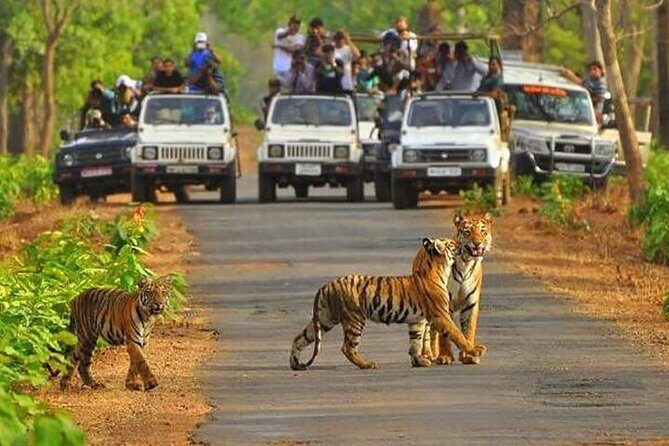
A key driver behind the increased footfall has been consistent wildlife sightings in recent months. Visitors have reported frequent sightings of tigers, leopards, sambar deer, nilgai and a wide variety of bird species during jungle safaris. The winter season, with its pleasant weather and lush forest landscape, further enhances the safari experience, making it an ideal time for wildlife exploration.
To manage the seasonal rush, safari operations are being conducted under strict regulations, with controlled entry, fixed time slots and limited vehicle movement inside the reserve. Advance bookings for safari permits are filling up quickly, and visitors are being encouraged to plan their trips ahead of time. Forest authorities are also focusing on maintaining ecological balance while ensuring visitor safety and smooth operations during the peak period.
The surge in tourism is providing a significant boost to the local economy. Increased visitor numbers have translated into higher demand for local guides, drivers, hospitality staff and small businesses dependent on tourism. For the region, the year-end rush underscores the role of protected wildlife areas as key drivers of sustainable tourism and rural livelihoods.
The strong turnout at Sariska highlights a broader shift in travel preferences, with Indian travellers increasingly choosing meaningful experiences centered around nature, conservation and responsible tourism. As year-end travel trends continue to evolve, Sariska Tiger Reserve stands out as a prime example of how wildlife destinations are becoming central to India’s domestic tourism growth story.