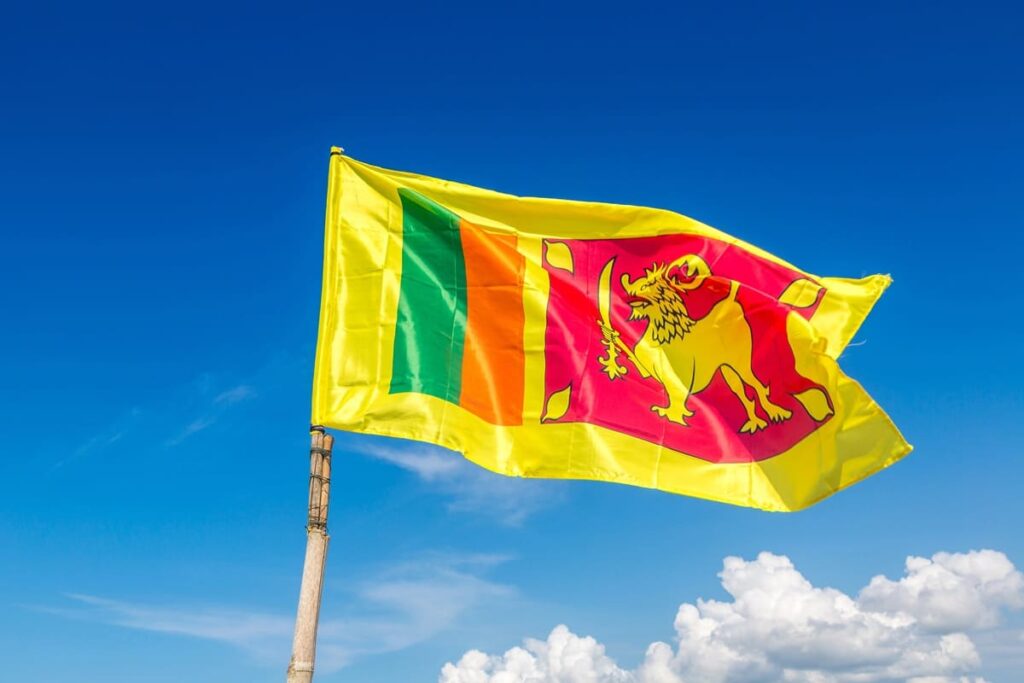
Sri Lanka has announced a major tourism-friendly policy by introducing a free Electronic Travel Authorisation (ETA) facility for travellers from 40 countries, including India, in an effort to strengthen inbound tourism and simplify international travel procedures.
The new visa facilitation policy will come into effect from May 25, 2026, allowing eligible travellers to obtain short-term travel authorisation without paying visa processing fees for stays of up to 30 days. The system will also permit double-entry access during the validity period.
Although travellers will still be required to apply online before departure, the no-cost ETA arrangement is expected to significantly streamline arrivals and reduce airport processing time for international visitors.
The initiative covers citizens from 40 countries including Australia, Canada, China, France, Germany, India, Japan, Malaysia, Russia, Saudi Arabia, Singapore, the UAE, the United Kingdom and the United States.
For Indian travellers in particular, the development is expected to further strengthen Sri Lanka’s popularity as a short-haul international destination. While Indian passport holders previously had access to visa-on-arrival facilities, passengers were still required to complete immigration documentation upon arrival.
Under the revised system, travellers can complete the entire authorisation process digitally before flying, enabling smoother entry procedures at Sri Lankan airports and improving the overall visitor experience.
Tourism industry stakeholders believe the move could provide a strong boost to Sri Lanka’s post-pandemic tourism recovery strategy, especially at a time when destinations across Asia are increasingly competing for regional travellers through easier visa policies and seamless travel initiatives.
With India remaining one of Sri Lanka’s most important source markets, the simplified entry process is also expected to encourage growth in leisure travel, family holidays, wedding tourism and short-break outbound travel from India.
Industry experts say the announcement reflects a broader global trend where destinations are increasingly using visa liberalisation and digital travel systems as strategic tools to improve tourism competitiveness and attract higher international visitor volumes.