
Ministry of Environment, Forest and Climate Change conducted a high-level review of Project Cheetah under the chairmanship of Union Environment Minister Bhupender Yadav, highlighting significant progress in India’s ambitious wildlife restoration initiative.
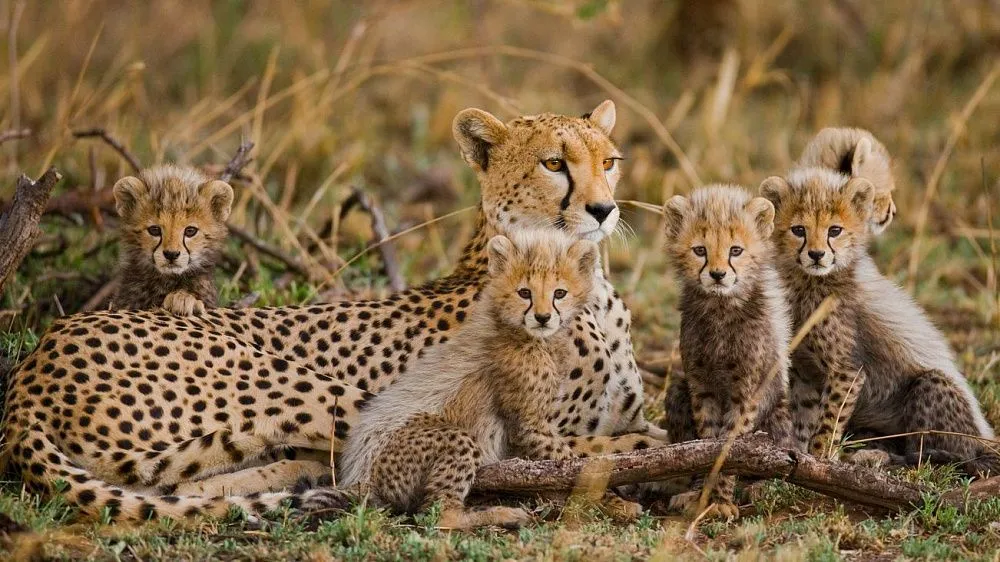
According to the government, the country’s cheetah population has now risen to 53, including 33 Indian-born cubs, marking a major milestone for the project launched to reintroduce cheetahs in India after their extinction.
Project Cheetah began with the translocation of 20 cheetahs from Namibia and South Africa, followed by the addition of 9 cheetahs from Botswana through international conservation partnerships and scientific planning.
Officials stated that the survival and reproduction rates recorded under the programme are in line with, and in some cases better than, global wildlife translocation benchmarks. Scientific monitoring has also indicated that the animals are adapting well to Indian conditions, showing stable ranging behaviour and effective prey utilisation.
Kuno National Park continues to serve as the primary habitat for the project, while Gandhisagar Wildlife Sanctuary has been prepared as an additional site for future expansion. Preparatory work is also underway in Gujarat’s Banni grasslands and other identified landscapes, including Nauradehi Wildlife Sanctuary in Madhya Pradesh.
The government said the next phase of Project Cheetah will focus on expanding the metapopulation framework, strengthening habitat connectivity and continuing scientific collaboration with African countries to maintain genetic diversity and long-term sustainability.
Project Cheetah is currently regarded as one of the world’s most significant wildlife restoration programmes aimed at reviving open natural ecosystems and strengthening biodiversity conservation in India.